Watercolor Mouse Clipart: A Guide for Creatives
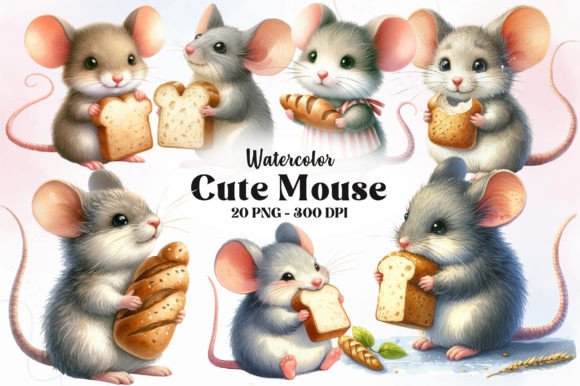
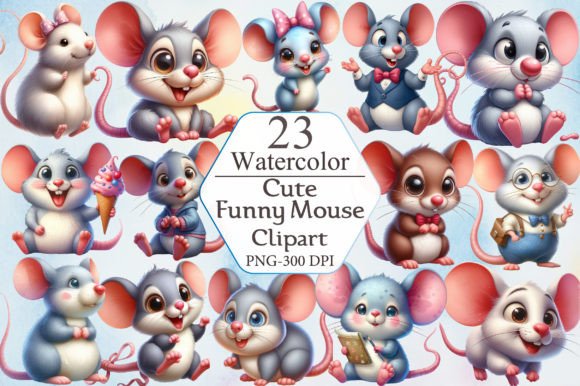
If you're searching for a graphic that brings genuine warmth and personality to your projects, watercolor mouse clipart deserves a closer look. The blend of soft, painterly textures with a character that's genuinely funny offers something standard vector art rarely achieves: emotional resonance. This particular style—a transparent PNG featuring an expressive, whimsical mouse—has become a go-to asset for designers, small business owners, and content creators who need to communicate approachability and charm without sacrificing quality.
What Makes This Style Stand Out
Digital design tools make it easy to produce perfect, crisp graphics. But perfection isn't always what you need. Flat illustrations can feel sterile when your goal is to build a warm connection with an audience. Watercolor mouse clipart introduces organic texture, subtle color variation, and a handcrafted feel that signals authenticity. The transparent background is a technical advantage. You can layer it onto any surface—warm beige for a natural look, cool pastel for a soft aesthetic, or dark navy for strong contrast—and the watercolor edges will blend naturally without harsh borders.
The "funny" aspect is equally important. A mouse with a mischievous grin, wide curious eyes, or a playful posture immediately becomes a storytelling tool. It's not just a decoration; it's a character your audience can react to emotionally. This makes it far more effective for engagement than a generic icon or stock silhouette.
Real-World Applications for Designers and Business Owners
Knowing where to deploy this kind of asset is just as important as knowing how to edit it. Based on real project use, here are the contexts where watercolor animal clipart consistently delivers strong results.
Branding and Visual Identity
If you're building a brand around handmade goods, organic food, children's products, or stationery, a generic logo isn't enough. The watercolor mouse can serve as a primary mascot or a supporting character. Place it on your website hero section, embed it in your email signature, or use it as a watermark on product photography. It immediately signals that your brand values creativity and a personal touch. The texture of the watercolor inherently suggests craftsmanship, which aligns perfectly with small-batch or artisanal business models.
Editorial and Content Marketing
Bloggers and publishers struggle to find imagery that doesn't look like every other stock photo on the internet. A funny mouse illustration gives your content a distinct visual voice. It works exceptionally well for:
- Parenting and lifestyle blog headers.
- Children's book layouts or digital publications.
- Email newsletter dividers and featured images.
- Social media post backgrounds and story highlights.
The transparency of the PNG means you can place it directly over text blocks or colored sections without needing complicated masking. This simplifies your workflow and keeps your layout clean.
Packaging and Print-on-Demand
Physical products benefit greatly from distinct artwork. A sticker on a package, a label on a jar, or a design on a t-shirt featuring this watercolor mouse becomes a conversation piece. For print-on-demand, the premium feel of watercolor art justifies higher perceived value. Customers associate the handmade look with higher quality, which can translate to better conversion rates. Always check that your file is high resolution (300 DPI) before sending it to print to ensure the watercolor details remain sharp and clear.
How to Evaluate Quality and Fit
Not all watercolor clipart offers the same level of polish. When selecting a file, pay close attention to a few key technical details. The transparency should be clean, with no leftover white pixels or jagged halos around the mouse's fur. The color palette should be sophisticated enough to fit into a professional design system—soft greys, warm earth tones, and subtle pinks often work better than overly bright or saturated hues. The expression of the mouse must also align with your brand's tone. A cheerful, slightly cheeky expression works for playful brands, while a softer, curious look might suit a more thoughtful editorial style.
Pairing With Typography and Supporting Elements
Even the best illustration can feel isolated if it isn't integrated into a cohesive design. The font pairings you choose will make or break the overall aesthetic. Because watercolor has an organic, imperfect edge, avoid pairing it with harsh, geometric sans serif fonts that feel too mechanical. Instead, consider these combinations:
- Handwritten script fonts: These mimic the natural flow of the watercolor brushstrokes. They reinforce the handcrafted, personal feel of the artwork.
- Soft rounded sans serif fonts: A friendly, approachable sans serif keeps the design modern and readable while respecting the illustration's gentle curves.
- Warm serif fonts: A classic serif with moderate stroke contrast adds a touch of sophistication and editorial weight, balancing the whimsy of the mouse.
For color palette, use an eyedropper tool to pull hues directly from the clipart itself. The warm grey of the mouse's fur, the soft pink of its ears, and the subtle brown of any props can become your secondary brand colors. This creates visual harmony across your entire layout.
Practical Workflow Tips for Maximum Impact
Getting the most out of a single PNG file often comes down to how you handle it in your design software. Here are a few techniques that experienced designers use regularly:
- Layer with multiply: In Photoshop or Canva, set the clipart layer to "Multiply" blending mode. This enhances the watercolor transparency effect, letting the background texture show through the lighter areas of the paint.
- Create depth with shadows: Duplicate the mouse layer, turn it black or dark grey, lower the opacity, and offset it slightly behind the original. This soft drop shadow adds a subtle 3D effect that separates the character from busy backgrounds.
- Use selective cropping: Don't always show the entire mouse. Zoom in on just the face for a strong hero image. Crop to just the tail and a tiny piece of cheese for a clever accent on a text-heavy page. This gives you multiple assets from a single file.
- Add grain or paper texture: Place a subtle paper texture layer over the entire design, set to a low opacity. This unifies the watercolor element with a digital layout, making the whole piece feel like a cohesive print.
Understanding Commercial Use and Licensing
For entrepreneurs and freelance designers, licensing is the most important part of the process. Using a graphic that is labeled "personal use only" on a commercial product or a monetized blog is a legal risk. When you purchase or download watercolor mouse clipart, verify the specific terms:
- Does the license cover physical goods like stickers, t-shirts, and packaging?
- Does it cover digital use like social media templates and website design?
- Are there any copy limits (for example, capped at 500 printed units)?
Premium commercial licenses are an investment in your professional credibility. They ensure the artist is compensated fairly, and they protect your business from potential legal issues down the line. Treat design assets with the same scrutiny you would a software license.
The Lasting Appeal of Character-Driven Art
Trends in graphic design shift quickly. Flat design, isometric illustration, 3D rendering—each has its moment. But character-driven art with authentic texture, like watercolor mouse clipart, holds a timeless appeal. It speaks to a fundamental human preference for storytelling and warmth. When you build a piece of content or a brand around a character that makes people smile, you create a memorable experience. That association sticks with your audience far longer than a polished but generic template.
Whether you are designing a logo, formatting a children's ebook, or creating a line of greeting cards, this asset offers a shortcut to emotional engagement. Use it intentionally, pair it with thoughtful modern typography, and respect the technical details. The result will be a professional, standout project that feels anything but generic. The best design work doesn't just communicate information—it creates a feeling. A funny, watercolor mouse, placed with care, does exactly that.