Watercolor Magnolia Clipart: A Designer’s Guide
When you need to bring a touch of elegance, nature, and soft sophistication to your creative projects, few design assets deliver quite like watercolor magnolia clipart. This style of artwork combines the organic beauty of hand-painted watercolor techniques with the timeless appeal of magnolia blooms, creating versatile graphics that work across a surprisingly wide range of applications. Whether you are building a brand identity, designing packaging, or creating content for social media, understanding how to use these assets effectively can elevate your work significantly.
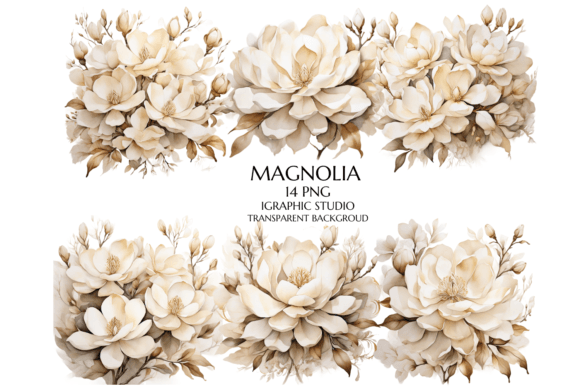
Watercolor magnolia clipart refers to digital illustrations of magnolia flowers, leaves, and branches that are rendered in a watercolor painting style. These images typically feature soft edges, layered washes of color, and subtle gradients that mimic the look of real watercolor on paper. Unlike flat vector illustrations or highly detailed photographs, watercolor clipart carries an organic, handcrafted feel that adds warmth and authenticity to any design.
The magnolia itself is a popular subject because of its distinctive petal structure and symbolic meanings—grace, dignity, and perseverance. When combined with watercolor techniques, the flower takes on an ethereal quality that suits both modern and traditional aesthetics. You will often find these clipart sets in collections that include individual blooms, wreaths, bouquets, and botanical patterns.
The Visual Personality of This Floral Asset
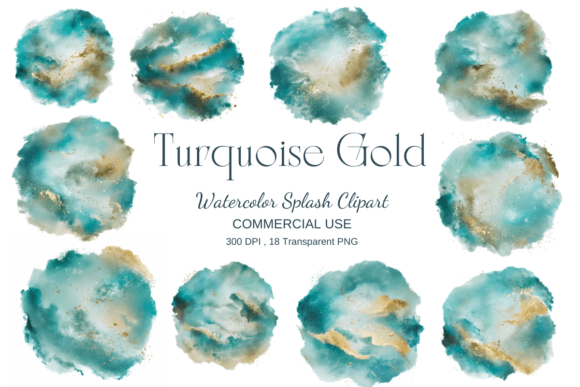
What makes watercolor magnolia clipart stand out is its inherent softness. The washes of color bleed into each other naturally, creating depth without harsh lines. This gives the artwork a gentle, approachable personality that feels more inviting than stark, clinical graphics. Depending on the color palette—whether muted pastels, rich jewel tones, or earthy neutrals—the same clipart can convey luxury, whimsy, romance, or rustic charm.
Many watercolor magnolia sets also include subtle texture, such as paper grain or splatter effects, which reinforce the analog, hand-painted look. This texture is especially valuable in an era where digital design can sometimes feel overly polished. By introducing imperfection and organic variation, you add a layer of visual interest that connects with audiences on a more emotional level.
As a creative professional, you will appreciate how these assets behave in compositions. Because of their soft edges, they layer beautifully with text, other graphics, or background elements. They do not compete aggressively for attention but instead create a mood that supports other design elements. This makes them particularly useful in modern typography and layout design, where balance and subtlety are valued.
Branding and Logo Design
For entrepreneurs and small business owners in lifestyle, beauty, wellness, or wedding industries, watercolor magnolia clipart offers a ready-made visual identity shortcut. A single magnolia bloom can become the centerpiece of a logo, while a well-curated set provides consistent graphics for business cards, websites, and stationery. The handmade feel suggests authenticity and care, qualities that boutique brands often need to communicate. When paired with a premium font or a clean sans serif font, the clipart anchors the brand identity without overwhelming it.
Editorial and Publishing Projects
If you are a publisher or content creator working on magazines, books, or blogs, watercolor magnolia clipart works wonderfully as chapter headers, pull quotes, or decorative accents. The soft floral imagery pairs well with both serif font and sans serif font choices, especially when you are aiming for a refined but accessible layout. Romantic fiction, lifestyle content, and nature-focused publications benefit most from this aesthetic. The clipart also helps create visual hierarchy by breaking up large text blocks and guiding the reader’s eye through the page.
Digital and Social Media Graphics
In the fast-paced world of social media, standing out requires more than just good copy. Watercolor magnolia clipart can anchor Instagram posts, Pinterest pins, or YouTube thumbnails with a consistent visual theme. The organic quality of watercolor contrasts nicely with the often sterile look of digital interfaces. For influencers, coaches, or content creators building a personal brand, these graphics signal a thoughtful, curated approach. Using the same clipart across your social media graphics also reinforces brand recognition over time.
Packaging and Product Design
Packaging is where the tactile illusion of watercolor really pays off. Products like candles, skincare, tea, or stationery benefit from the implied texture of watercolor magnolia clipart. Even though the final package is printed digitally, the watercolor effect suggests something handmade and artisanal. This is especially powerful for small-batch producers who want their packaging to reflect the care they put into their products. Pairing the clipart with a clear display font for the product name and a subtle serif font for details creates a cohesive, professional look.
Wedding and Event Stationery
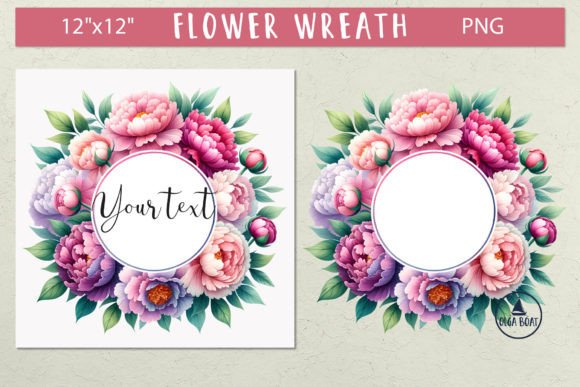
Another natural fit is wedding invitations, save-the-dates, and event programs. Watercolor magnolia clipart lends itself beautifully to romantic, seasonal, or garden-party themes. The blooms can frame the text or sit elegantly as standalone motifs. When combined with a handwritten font or a script font, the entire suite feels cohesive and personal. Many designers build entire brand identities around these floral assets for their wedding clients.
How This Clipart Elevates Brand Perception
Consistently using the same watercolor magnolia clipart across your materials builds recognition and professionalism. A cohesive visual language—whether in logo design, social media graphics, or editorial layouts—signals to your audience that you have refined taste and attention to detail. Over time, repeated exposure to a specific floral motif creates a mental association with your brand. This is the same principle that drives brand identity work with premium design assets: consistency breeds familiarity and trust.
Visual hierarchy also improves when you incorporate soft, organic elements like watercolor magnolia clipart. Because the blooms have natural focal points—the center of the flower, the curve of a petal—they guide the viewer’s eye through a composition more intuitively than abstract shapes. This can make your layouts feel more balanced and planned, even when they are relatively simple. In editorial design, for example, a large magnolia bloom on a spread can anchor the text and create a clear reading path.
For designers working on brand identity, watercolor magnolia clipart adds a layer of storytelling. The magnolia itself carries cultural and symbolic weight, which can reinforce the values of your brand. A brand that wants to communicate growth, beauty, and resilience can do so not through words alone but through the consistent, thoughtful use of this floral imagery. This emotional resonance is something that typography alone cannot achieve.
Evaluating Your Project Fit
Before selecting a watercolor magnolia clipart set, consider the overall tone of your project. Are you aiming for luxury and elegance? Choose sets with deep burgundy, ivory, and gold tones. Going for a fresh, spring-like feel? Pastel pinks, soft greens, and sky blues will serve you better. The color palette of your clipart should align with your existing brand colors or the mood you want to establish.
Also consider the level of detail. Some watercolor magnolia sets feature highly detailed, realistic flowers with multiple petals and shading. Others are more stylized and minimal. For small-scale applications like icons or social media profile pictures, simpler images work better. For full-page layouts or packaging hero images, detailed blooms provide visual impact. Always test how the clipart scales before committing to a particular set.
Combining with Other Design Elements
Watercolor magnolia clipart pairs beautifully with multiple font styles. A clean sans serif font creates a nice contrast with the organic flower shapes, while a script font can double down on the romantic feel. For editorial projects, consider using a serif font for body text and a handwritten font or display font for headings, letting the magnolia clipart tie everything together. This type of font pairing is intuitive once you see the softness of the clipart against the structure of the text.
Don’t be afraid to layer your clipart. Combine a large magnolia bloom with smaller leaf motifs or watercolor splatters to create depth. Just be mindful of readability—if you are placing text over a clipart element, ensure enough contrast by adjusting opacity or adding a subtle drop shadow to the text. In web design, you can also use these assets as hero images or section backgrounds, keeping text in a dedicated overlay area.
Licensing and Commercial Use
Always review the licensing terms of any watercolor magnolia clipart set before using it in commercial projects. Premium commercial fonts and design assets often come with specific restrictions. Some allow unlimited commercial use, while others limit the number of copies or require attribution. If you are a designer or small business owner creating products for sale, look for sets labeled “commercial use” or “extended license” to avoid legal issues.
Reputable marketplaces like Creative Market, Etsy, and Envato Elements offer high-quality watercolor magnolia clipart with clear licensing terms. When in doubt, contact the seller directly or choose sets that explicitly permit the kind of use you need. Treating clipart as a serious design asset, much like a commercial font or a premium typeface, means respecting the creator’s work and the legal framework that supports it.
Readability and Composition Considerations
Even the most beautiful watercolor magnolia clipart can disrupt a design if not placed thoughtfully. Avoid placing detailed blooms directly behind small text, as the visual noise can reduce legibility. Instead, use the clipart in areas where it can breathe—on margins, as background elements with low opacity, or as standalone focal points.
When designing for print, remember that watercolor effects may render differently depending on paper quality and printing method. Always run a test print before finalizing large runs. In digital projects, check how the clipart appears on different screen sizes and resolutions. A motif that looks stunning on a desktop monitor may lose clarity on a phone screen if too detailed.
Final Thoughts
Watercolor magnolia clipart is far more than a decorative afterthought. When chosen thoughtfully and used strategically, it becomes a core component of your design assets that enhance brand identity, improve visual hierarchy, and connect with audiences on an emotional level. Whether you are a designer building a client’s brand, a crafter creating invitations, a publisher working on editorial layouts, or a marketer designing social media campaigns, these floral graphics offer a versatile, elegant solution.
The key is to treat watercolor magnolia clipart with the same care you would any premium design tool. Evaluate fit, plan your pairings, respect licensing, and always prioritize the overall user experience. When you do, this type of artwork can transform a good project into an unforgettable one, leaving your audience with a lasting impression of beauty and professionalism.